Finding ‘humanness’ amidst the fast-paced Emergency Department (ED) environment

A heartfelt confession and sharing about finding connection, meaning and purpose in the ED
Keep reading →
A heartfelt confession and sharing about finding connection, meaning and purpose in the ED
Keep reading →
There's a story we're used to hearing about aging. A slow, inevitable decline. A journey of loss — of health, independence, identity. This story plays out in quiet corners of hospitals and in loud headlines celebrating the "oldest person to survive" some illness. In clinics,
Keep reading →
There's a particular kind of silence that falls in a consultation room just before a difficult conversation begins. It's the silence that comes when the scan results are not what we hoped. Or when a patient says, "Just tell me what the scan shows,"
Keep reading →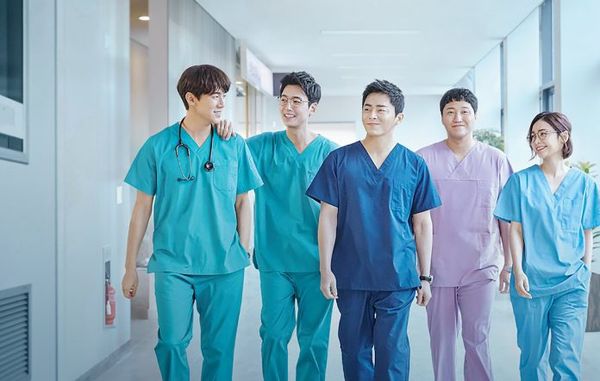
Lessons from the "Hospital Playlist" Drama
Keep reading →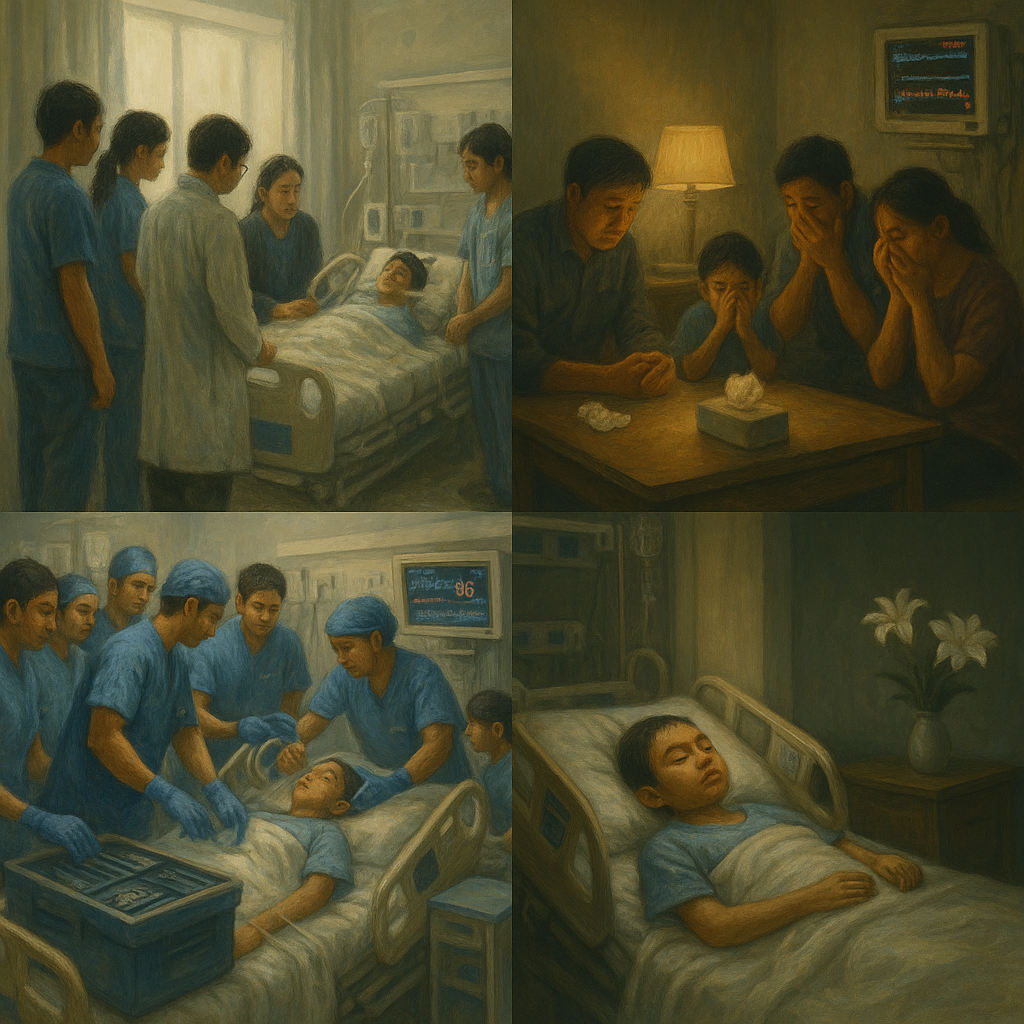
Working in the intensive care unit is very much a team-based approach, and for those familiar with it, a fairly noisy one at that. On any given day, there’s a gamut of activity (and emotions) which the team must take in their stride… Movement 1: The morning adagio
Keep reading →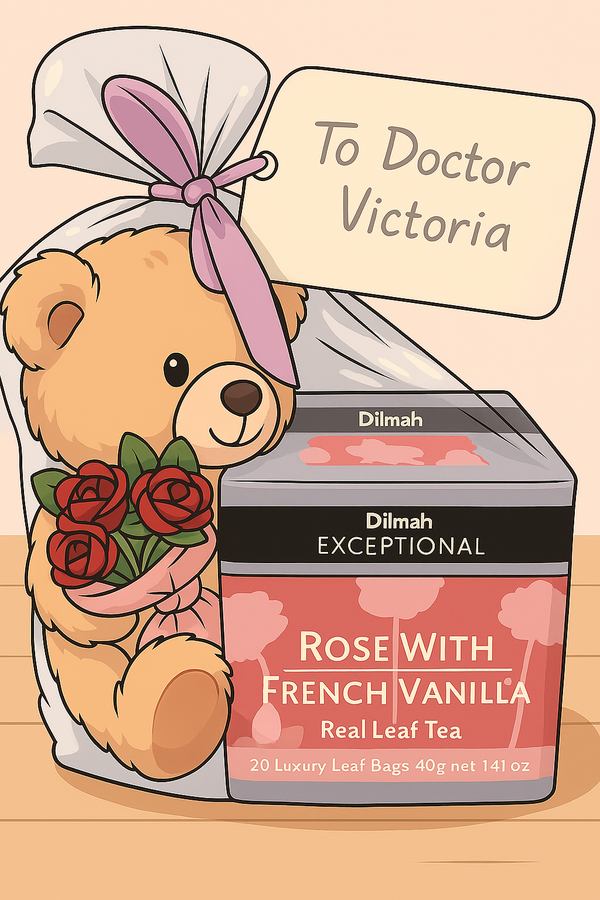
The quiet weight of meaning in Medicine
Keep reading →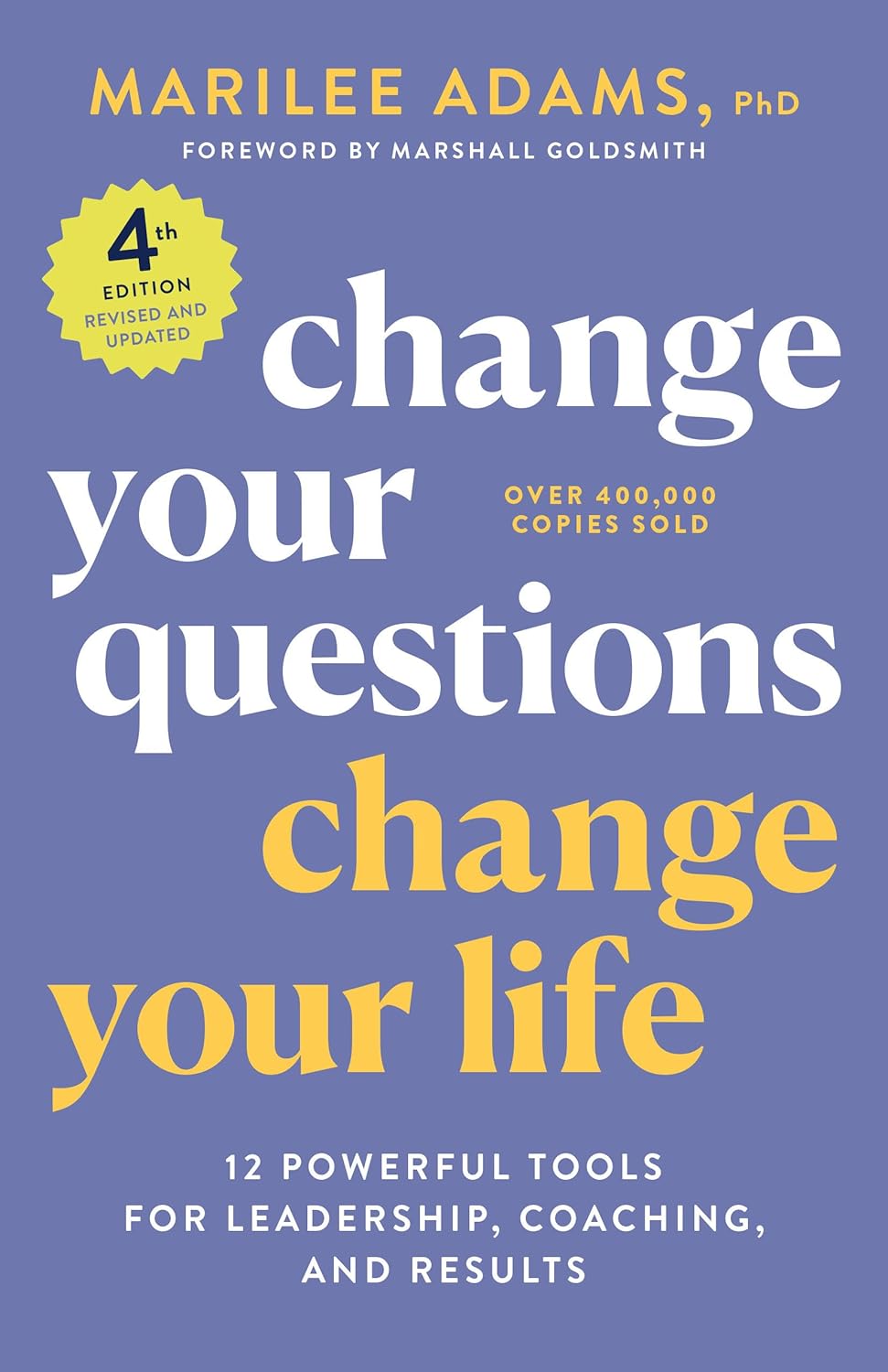
Recently, I was introduced to the concept of “Question Thinking” at a workshop I attended. This was taken from the book “Change Your Questions, Change Your Life” by Marilee Adams, which chronicles how the protagonist discovers this concept and the stark difference it made to his thinking and actions. When
Keep reading →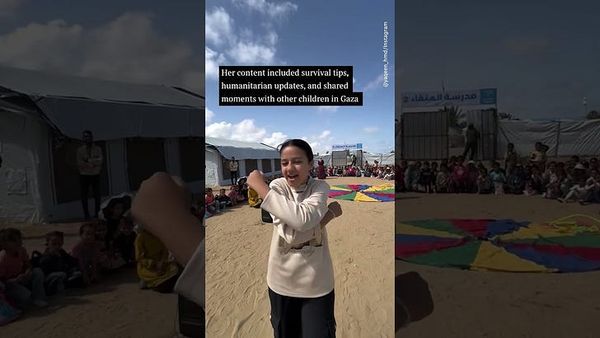
As doctors, we are trained to preserve life, to relieve suffering, to advocate for the vulnerable. To be the voice for the voiceless and marginalised. But as we scroll through and view the livestreams, images and headlines from Gaza on our mobile phones daily, we cannot help but feel an
Keep reading →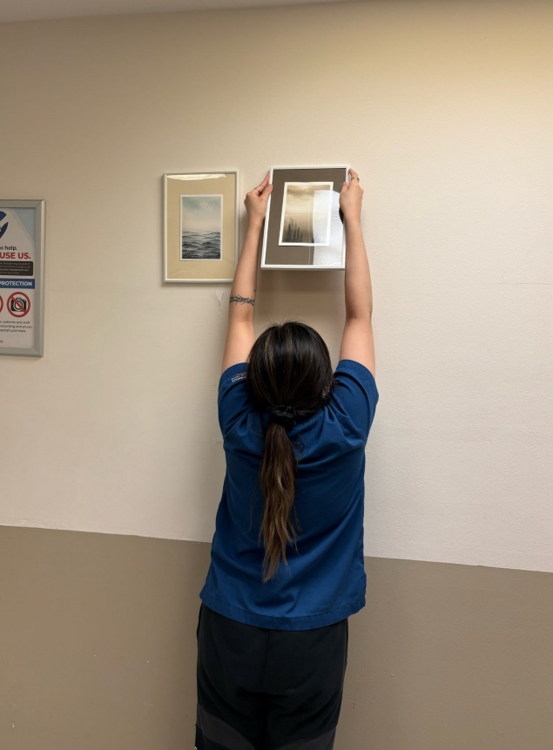
Beyond the Clinical Chaos Emergency medicine is defined by urgency—rapid decisions, life-saving interventions, and intense human encounters. But beneath this clinical intensity lies a quieter reality: how those on the frontlines process what they witness and find meaning in their work. For four clinicians at Changi General Hospital&
Keep reading →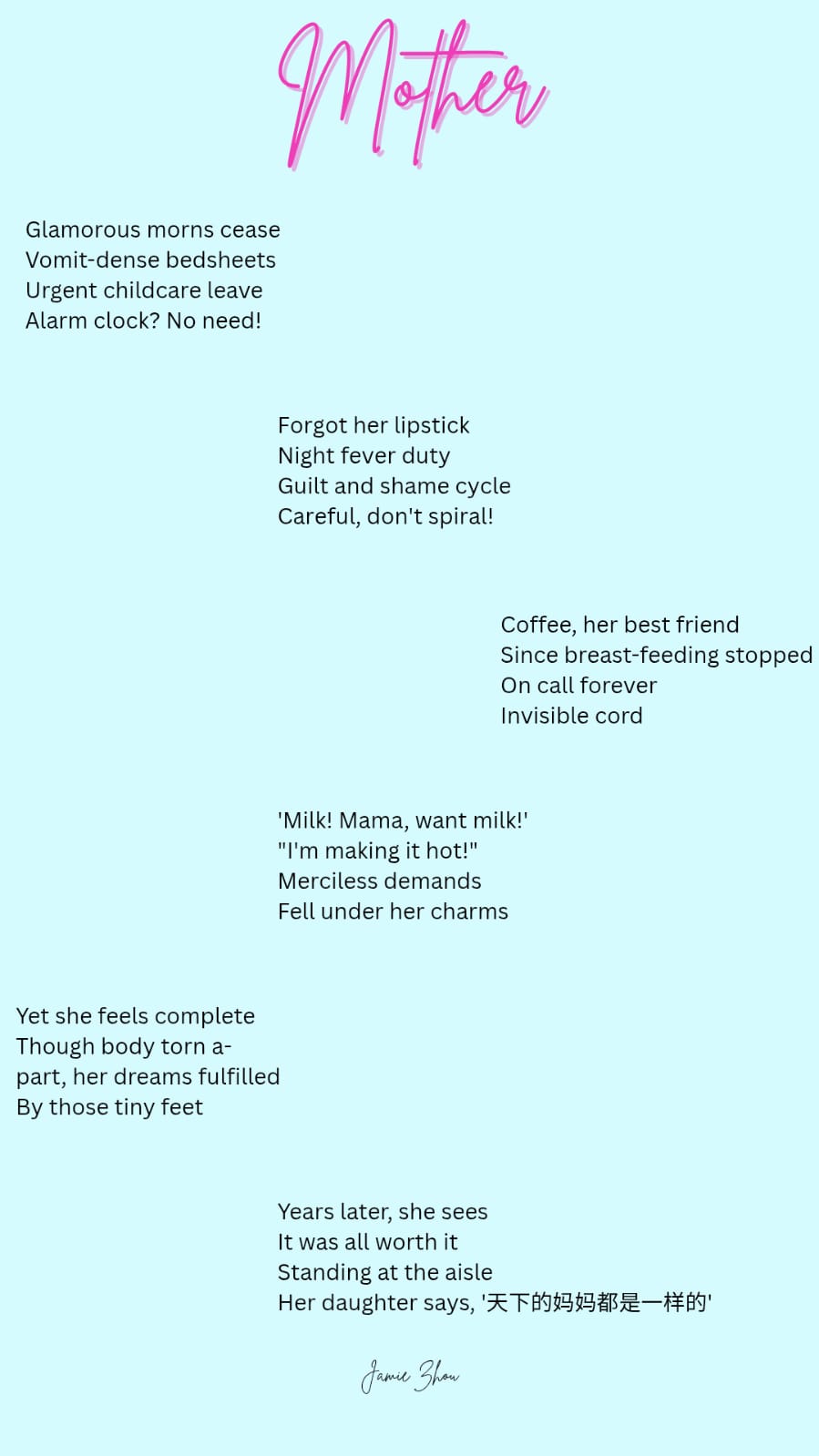
The echo of Mother’s Day still lingers—soft, tender, and complex. Time rushes forward, but emotions unfold on their own schedule. That’s why we’re sharing this collection now, in the quiet that follows the celebration—when reflection can settle in more gently. Every mother-child relationship tells
Keep reading →Personal essays from clinicians, nurses, allied health. The on-call you remember. The patient who stayed with you.
The view from the bed, the bedside, the waiting room. We especially want these — they matter the most.
Lyric, narrative, speculative, silly, mournful. Written on the back of a rounds sheet.
A teddy bear. A box of unopened tea. Write about one object and the story it holds.
Anything you want to look at carefully and tell us about.
A paragraph. A sketch. A single sentence on a post-it. The easiest place to start.
HEART started because medical humanities can sound like a closed club. We don't want to run that room. We want to run the pantry next door, where people come in, make a kopi, and tell you something they haven't been able to say all week.
New pieces arrive roughly twice a month — one featured essay, one shorter piece. No algorithm. No paywall. Unsubscribe in one click.
We read everything. We reply to everything. Any length, any form — a polished essay, a rough draft, a single line on a napkin, a voice memo you don't know what to do with.
Anonymous submissions are welcome — and often the most powerful.
→ send something in