Recently, I was introduced to the concept of “Question Thinking” at a workshop I attended. This was taken from the book “Change Your Questions, Change Your Life” by Marilee Adams, which chronicles how the protagonist discovers this concept and the stark difference it made to his thinking and actions.
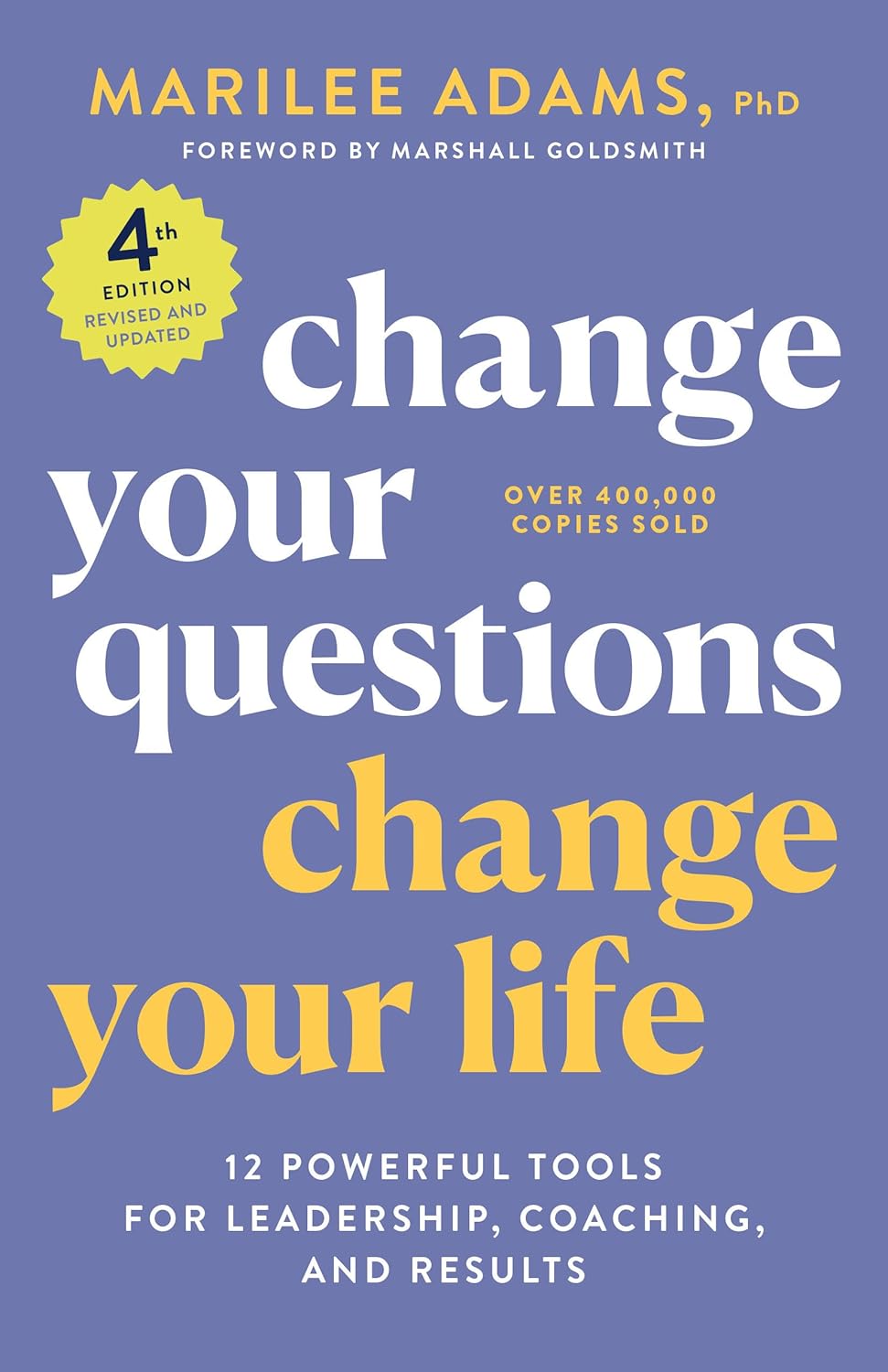
When faced with a difficult situation, humans are naturally prone to thinking in a “Judger mindset”, finding fault with themselves or others. However, by asking “switching questions” such as “How else can I think about this?”, one can shift their thinking to a “Learner mindset” instead, which encourages one to have an open mind and consider things from a different perspective, benefiting individuals and improving team performance.

Learning about this concept brought me back to a request I encountered during one of my anticoagulation clinic sessions. A 70-year-old gentleman was taking warfarin, a blood thinner used to prevent strokes due to atrial fibrillation. He came to see me to have his INR blood test result reviewed. It was out of range, which meant that I needed to adjust the dose of warfarin which he was taking. However, as he entered the consultation room and sat down, he said, “I would like to switch my warfarin to another blood thinning medication. I read online that there are alternative blood thinners which can be used for my condition as well.” Long story short, he was tired of the frequent blood tests, dose adjustments and dietary restrictions required while taking warfarin.
I noticed the patient had valvular atrial fibrillation, which meant that based on clinical trial data, there was a higher risk of cardiovascular adverse events and death if he were to take other blood thinners as compared to warfarin. I explained that for his subtype of atrial fibrillation, warfarin was the best choice and other blood thinners were not suitable, but he was not convinced. In my desperation, I printed out a summary of the clinical trial results and highlighted the difference in event rates, but he simply looked at me and said: “I’m already 70, I’m not afraid to die,” without a hint of hesitation in his voice. In the end, I called his primary cardiologist. We proceeded with the change of medication after duly documenting the patient’s preference for this off-label use.
Looking back, I realised I was using my “Judger” mode to convince the patient that I knew what the best treatment option for him was, and he should follow my recommended plan. Why did he choose to believe what he had read online over the factual clinical trial data I presented to him? At the end of the consultation, I felt disappointed that I had not been able to convince him successfully to stay on warfarin.
How might things have turned out had I asked a “switching question” to shift me into “Learner” mode instead: “How else can I think about this?” I would probably have been more understanding of this patient’s concerns, and more accepting of the fact that for him, quality of life mattered to him more at this point in his life rather than facing death. The eventual choice of medication for this patient was not driven by hard science, but what his heart truly wanted.
It is hard to believe that a single question is all it takes to change my mindset, but it has been shown to be true. It can be practised and applied in almost every situation in life. I hope to encourage more open conversations with people I meet by consciously making an effort to switch from “Judger” mode to “Learner” mode.
Evangeline Chai works as a pharmacist at Sengkang General Hospital. In her free time, she enjoys hiking, playing the piano and writing about her lived experiences.
Talk back
Thoughts, reactions, a story of your own. We read every comment.