HEART is a reading companion for the human side of healthcare, published by the SingHealth Duke-NUS Medical Humanities Institute.
We collect the stories that don't fit neatly into a case presentation. The ones told at the end of shift, between scans, in the car park at 3 a.m., over kopi with someone who also knows. Stories from patients. From the family members holding their hand. From the nurse, the porter, the pharmacist, the chaplain, the cleaner, the consultant. From anyone whose life has touched a hospital, a clinic, a home ward — and who has something to say about it.
We believe that behind every medical encounter lies a story worth telling, and that these stories, taken together, quietly teach us what medicine is actually for.
What you'll find here
HEART is organised around six departments — or what we call the six corners.
Stories — personal essays from clinicians, nurses, and allied health. The on-call you remember. The patient who stayed with you. The moment you knew something had shifted.
From the Other Side — the view from the bed, the bedside, the waiting room. Patients and caregivers writing back to the system. We especially want these. They matter the most.
Verse — poems. Lyric, narrative, speculative, silly, mournful. Written on the back of a rounds sheet or polished over a semester. Form welcome.
The Things We Carry — objects, rituals, small charms. A teddy bear. A box of unopened tea. A stethoscope from a teacher who is gone. Write about one thing and the story it holds.
Close Looks — film, art, and book reviews. Anything you want to look at carefully and tell us about — from Scrubs to Sontag to a painting that changed how you see a patient.
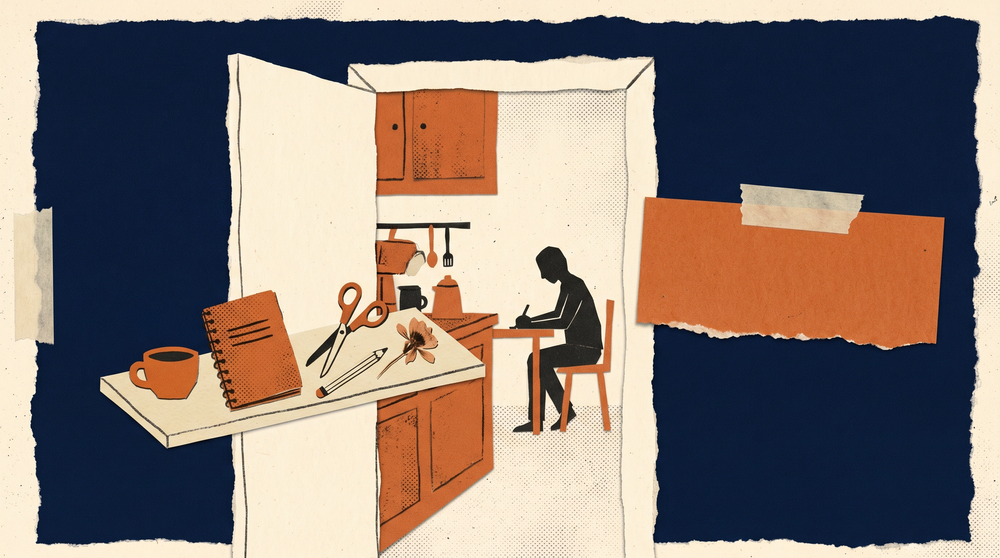
Scribbles — the shortest things. A paragraph. A sketch. A single sentence on a post-it. The easiest place to start.
Who we are
HEART is an editorial project of the SingHealth Duke-NUS Medical Humanities Institute (SDMHI) — a joint initiative of SingHealth and Duke-NUS Medical School based in Singapore. SDMHI's mission is to humanise healthcare through the arts, humanities, and social sciences. HEART is one of the ways we do that: by making space for the voices that the clinical record can't hold.
We're run by a small editorial team of clinicians, writers, and humanities researchers. We read everything ourselves. We are not algorithmic.
Who HEART is for
HEART started because medical humanities can sound like a closed club — a conference room of specialists trading citations. We don't want to run that room.
We want to run the pantry next door, where anyone can come in, make a kopi, and tell you something they haven't been able to say all week. A medical student. A grandmother. A paramedic three years out. A widow. A junior doctor who isn't sure yet if she's staying. A patient who's been reading the same chart upside down for an hour.
If you have a story about a body — yours or someone else's — HEART is for you.
Submitting
Any length. Any form. A polished essay, a rough draft, a single line on a napkin, a voice memo you don't know what to do with. We read everything, we reply to everything, and anonymous submissions are welcome — and often the most powerful.
Send us something at narrativesmedicineheart@gmail.com, or use the submission link at the bottom of any page.
A note on publication
HEART is free to read and free to write. No paywall. No algorithm. New pieces arrive roughly twice a month — one featured essay and one shorter piece — and we send them to your inbox if you'd like.
Printed in cream and ink. Pulled in navy and orange. Made with care in Singapore.