More Than Just Counting Pills
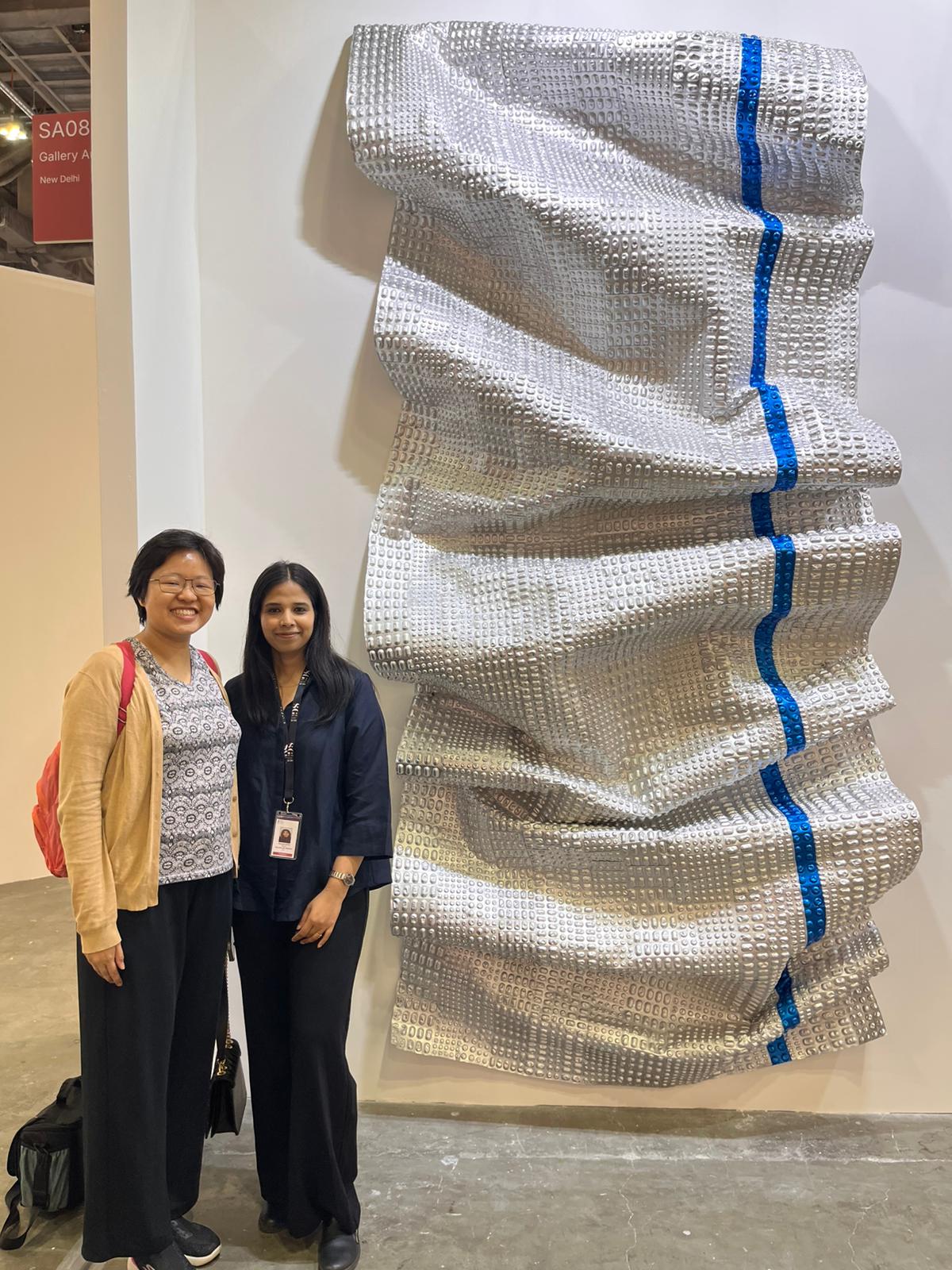
Evangeline Chai
Keep reading →
Evangeline Chai
Keep reading →
Kaitlyn Tay
Keep reading →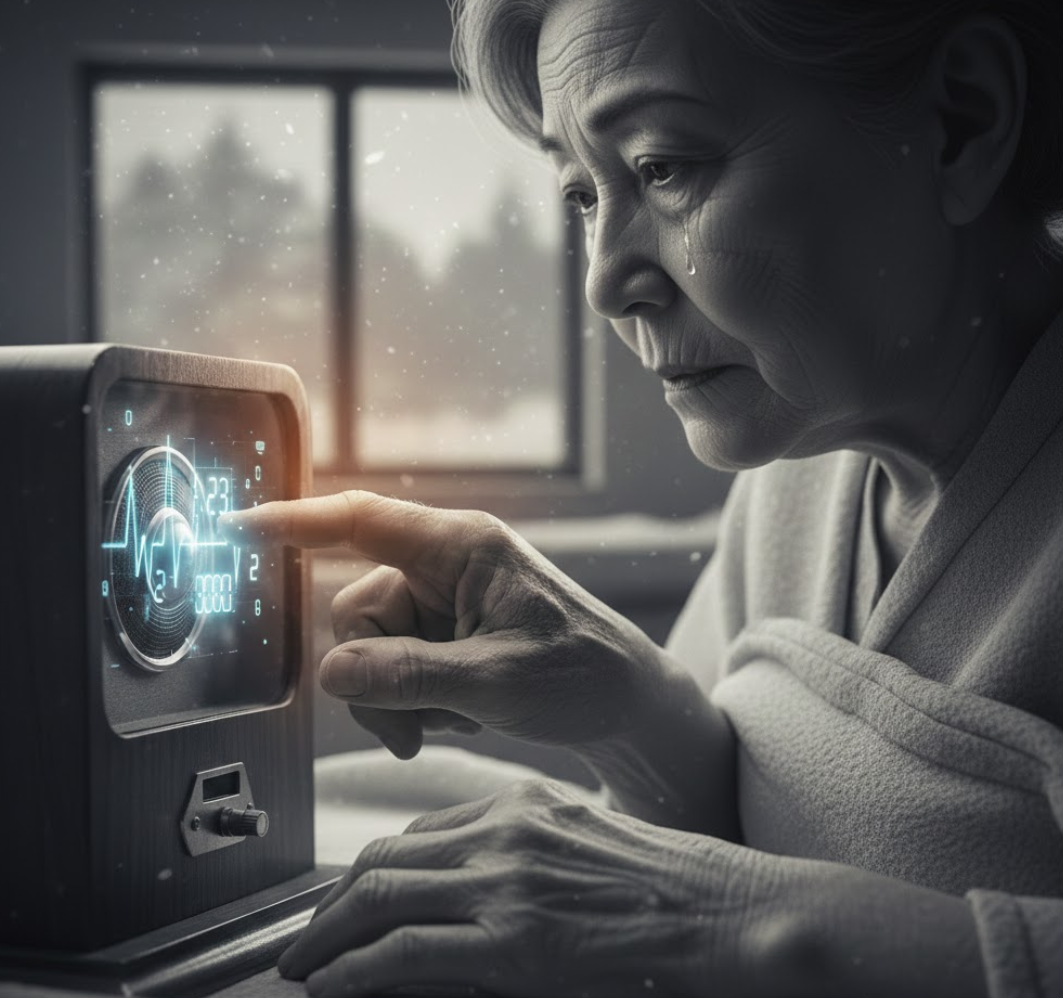
That one day came. In the manless hospital, the bed emitted sonic signals, tracing his life-flow, sprouting numbers that sang his sad song of health. Humanoid nurses inserted the cannula with unhuman precision. The blueberry drip danced along his veins bargaining for more time. “It is time.” His bed
Keep reading →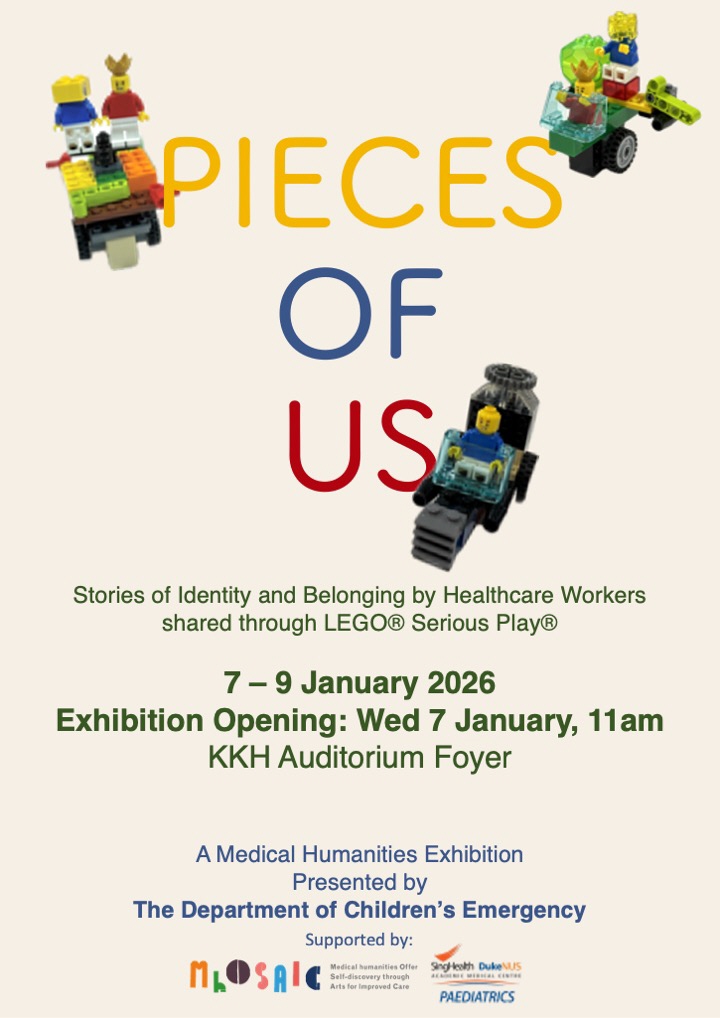
A perspective piece from a Lego® Serious Play® facilitator: Dr. Goh Mei Ching
Keep reading →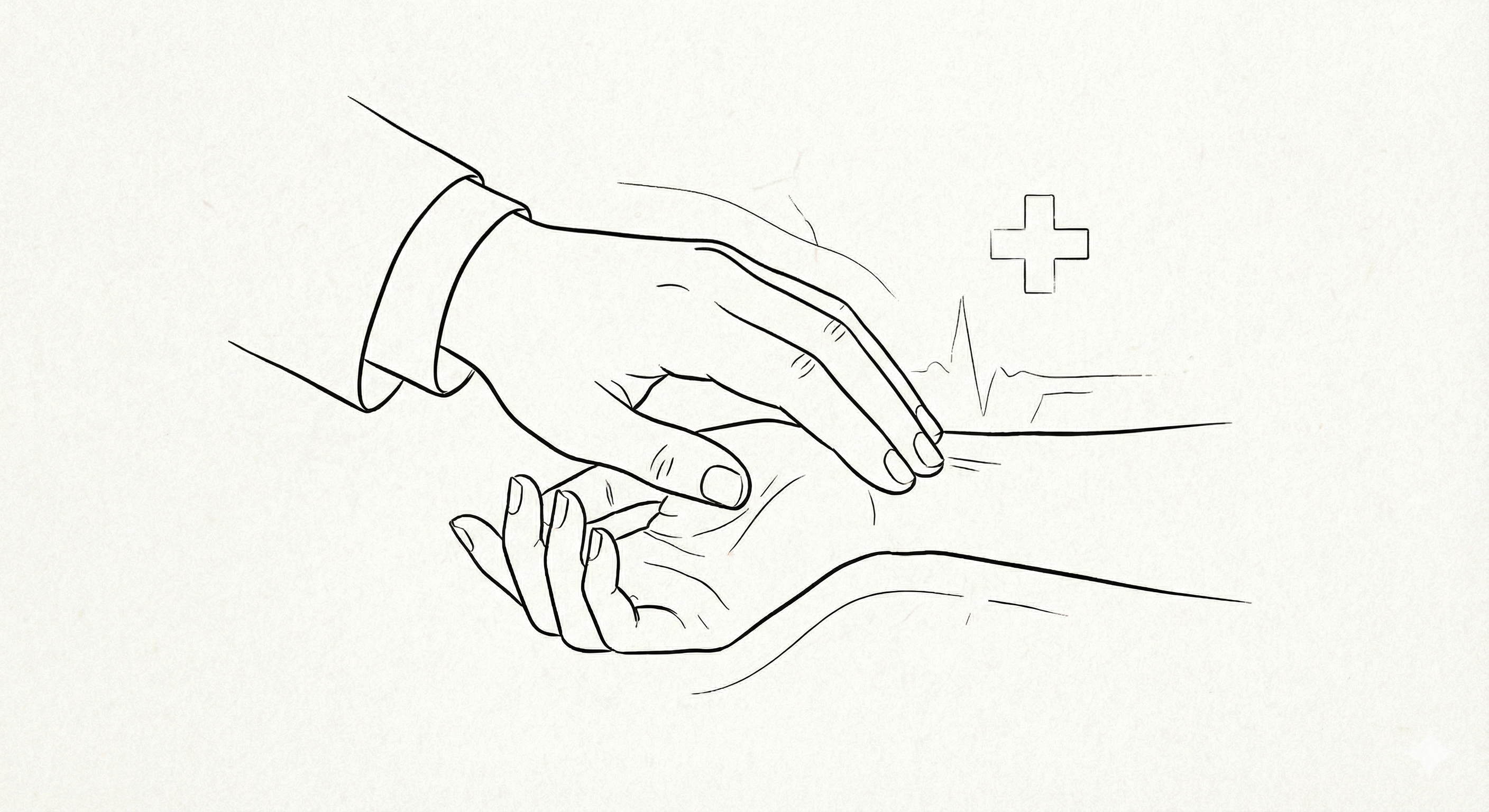
A collaborative reflection by Dr. Jason Chang and Dr. Victoria Ekstrom
Keep reading →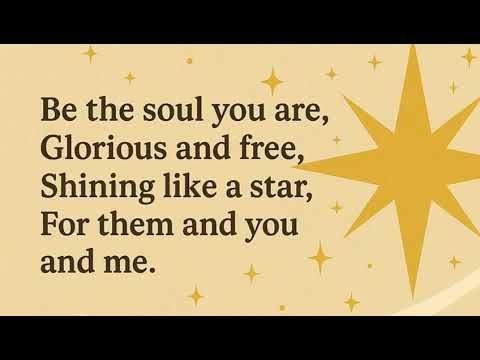
By William Hwang, MBBS, FRCP, FAMS, MBA
Keep reading →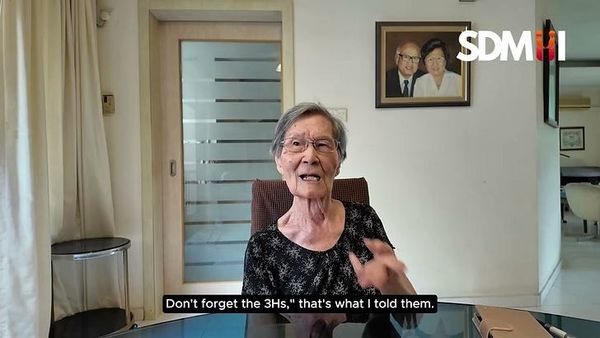
Interview with Dr. Wong Hee Ong Part 3
Keep reading →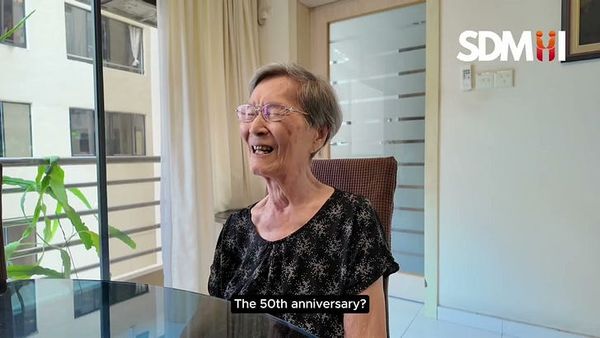
Interview with Dr. Wong Hee Ong Part 2
Keep reading →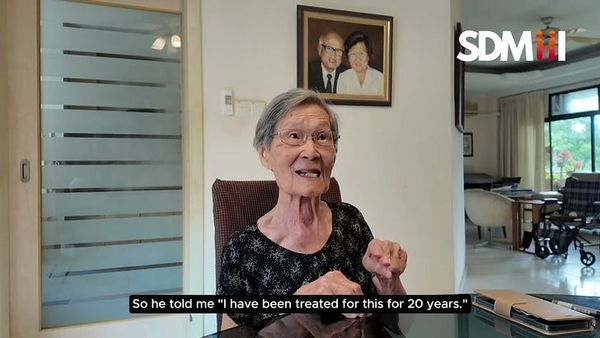
Interview with Dr. Wong Hee Ong Part 1
Keep reading →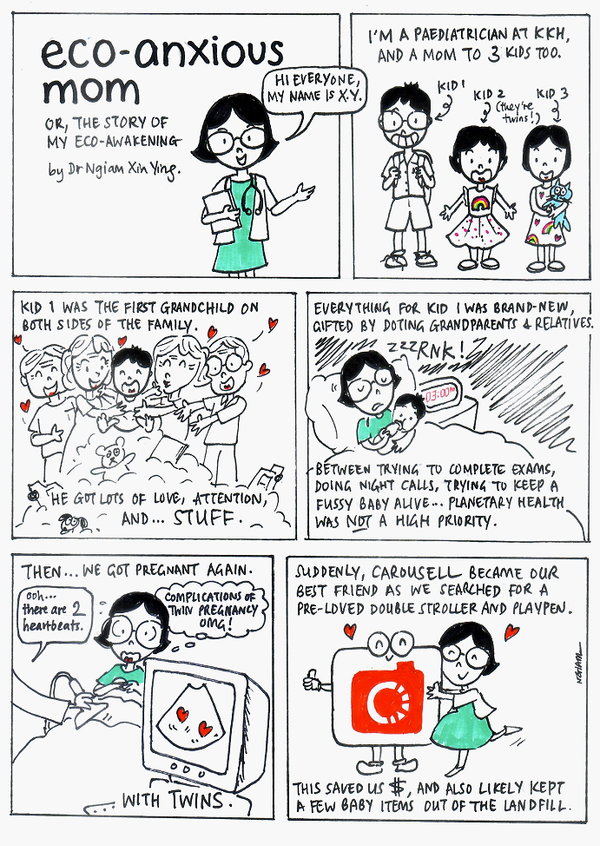
Dr Ngiam is an associate consultant at KKH Department of Child Development. She has clinical experience both in the public and private healthcare sectors, as well as the experience of being a mother of 3 children. She has been doodling and drawing comics since her primary school days. Eco-Anxious
Keep reading →Personal essays from clinicians, nurses, allied health. The on-call you remember. The patient who stayed with you.
The view from the bed, the bedside, the waiting room. We especially want these — they matter the most.
Lyric, narrative, speculative, silly, mournful. Written on the back of a rounds sheet.
A teddy bear. A box of unopened tea. Write about one object and the story it holds.
Anything you want to look at carefully and tell us about.
A paragraph. A sketch. A single sentence on a post-it. The easiest place to start.
HEART started because medical humanities can sound like a closed club. We don't want to run that room. We want to run the pantry next door, where people come in, make a kopi, and tell you something they haven't been able to say all week.
New pieces arrive roughly twice a month — one featured essay, one shorter piece. No algorithm. No paywall. Unsubscribe in one click.
We read everything. We reply to everything. Any length, any form — a polished essay, a rough draft, a single line on a napkin, a voice memo you don't know what to do with.
Anonymous submissions are welcome — and often the most powerful.
→ send something in