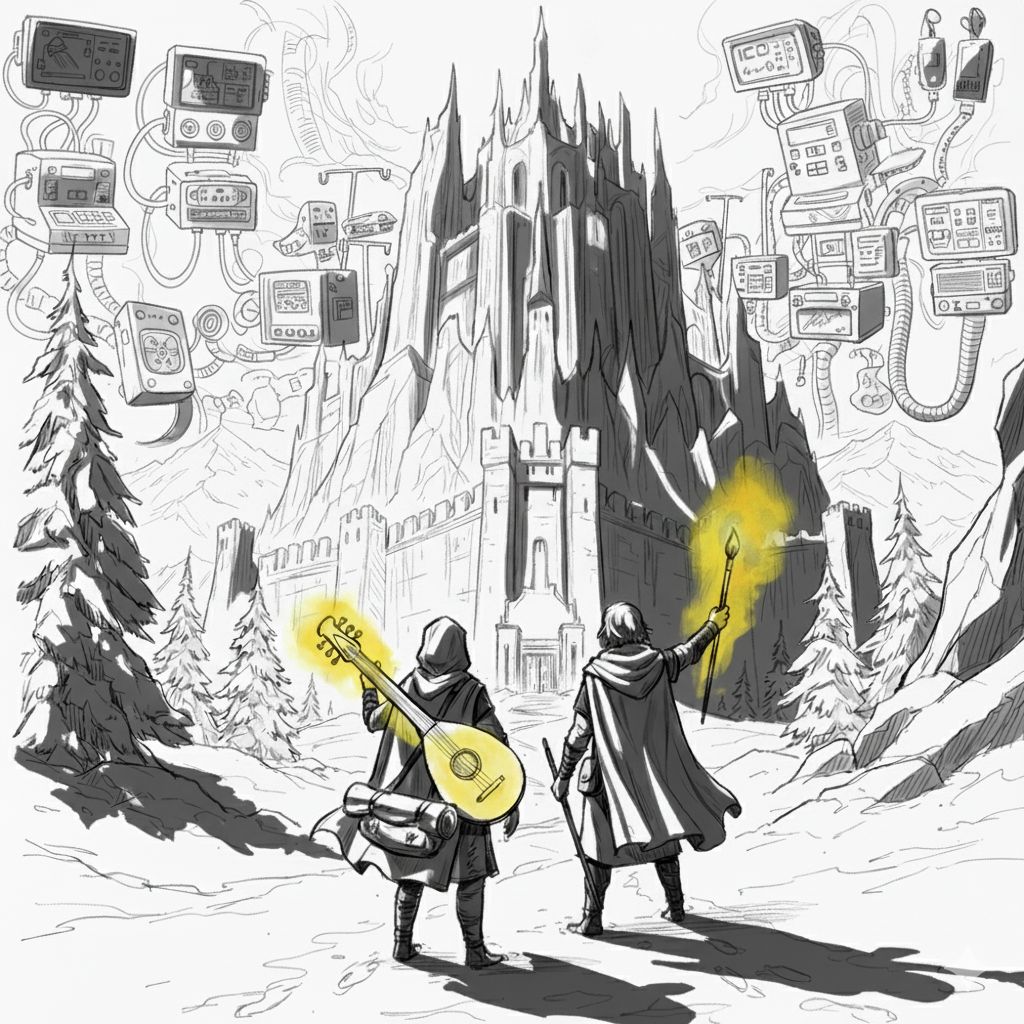
The neuro-ICU was a frigid, stark place. The silence was punctuated by the relentless beeping of machines. The antiseptic scent was a constant reminder of the fortress-like walls that encased the patient’s stillness.
Beep. Beep. Beep. As I entered I felt like an intruder stepping into a fortress, guarded by the clinicians. Their focus was intense, their whispers barely audible.
The first strum of the guitar, bright from the spruce, pierced through the cold, clinical walls. The melody wove through the space, its major chords melting the icy barriers. For the first time, the family—the emissaries of warmth and hope—began to stir. As I drew the soft curtains as though to reveal (or cover?) a canvas of warmth and connection, we added pink paint—her favorite color—to the space. The handprints that emerged felt like the first buds of spring breaking through the cold. In that moment, it felt fitting to retreat and give the family their privacy, leaving behind a room now alive with the warmth of personal connection.
“Who are you again?” the Neuro-ICU nurse asked, eyeing us head to toe, guitar to paintbrush, her tone edged with irritation.
“We’re the music and art therapists.”
Phylaine Toh is a Faculty Member at the SingHealth Duke-NUS Medical Humanities Institute and Manager at the SGH Office of Well-being. With over 7 years of experience in trauma-informed care and arts-based clinical practice, she now focuses on weaving narrative and humanistic approaches into clinician wellbeing and healthcare education.
Talk back
Thoughts, reactions, a story of your own. We read every comment.