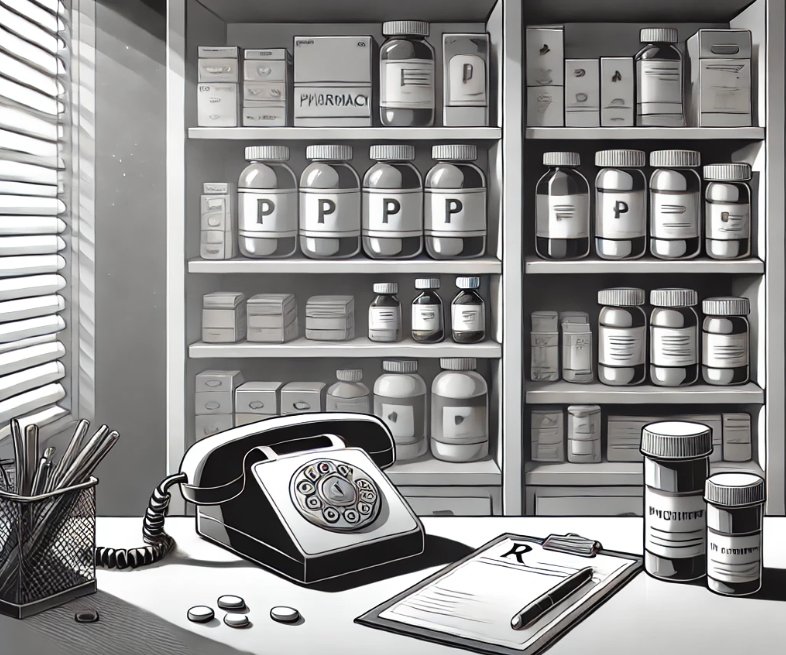
"Why did you call my brother to collect my discharge medication, instead of me?" From the inside of the pharmacy, I heard a loud voice hurling accusations at my colleague, who then approached me, the floor manager, to try to defuse the situation. I proceeded outside, unsure of what to expect – before me stood a white-haired, bespectacled, thin elderly gentleman.
“Sir, how may I help you?” On hearing this, he did not mince his words as he retorted his complaint, raising his voice and pointing his left index finger at me. “My brother does not want to pick up my calls. I have not taken my medication for the past month. Can you call my brother?” I felt wrongly accused, yet I knew he was not directing blame at me personally, but rather was venting his frustration. Sensing that something was amiss between them, I decided to ring his brother to corroborate his version of events.
“Hello Mr X, I’m calling from Sengkang Hospital Pharmacy. Can I check if you collected your brother, Mr Y’s medication from the pharmacy? Is the medication still with you?” He replied “Yes” matter-of-factly to both of my questions, and added, “this brother of mine is a useless bum. I don’t want to pick up his phone calls as he keeps calling 10-20 times a day. Can you tell him……” I was stunned on hearing the term “useless bum”, and felt a tinge of despair at the seemingly broken relationship. I did not catch what other personal complaints the patient’s brother had. Yet I knew I had to uphold my professional duty of care – to ensure that the patient was able to take his medication timely. Not wanting to get involved in their family affairs, and walking a fine line, I advised the patient’s brother firmly, “Sir, you’ll have to tell these things to your brother yourself. This medication is important for the patient’s condition. Please pick up your brother’s phone call and pass the medication to him. Is that alright?” I received a reluctant “ok” in response, before ending the conversation amicably.
Walking out to the pharmacy counter, I called the patient, “Mr Y? I’ve called your brother. He has agreed to pick up your calls and pass you the medication.” The patient nodded, then warned me sternly: “Next time, remember not to call my brother – call me instead.” I made sure to confirm his phone number and documented his request.
I certainly did not expect to make such a phone call to ensure my patient had access to his medication. Was the patient satisfied with what I had done for him? I think so, otherwise he might never have left the pharmacy. Did the patient manage to obtain his medication from his brother in the end? More importantly, did they clear up their misunderstandings? I may never know the answers to these questions, but I certainly hope that this encounter sets both of them on a path towards restoring their tenuous relationship.
Evangeline Chai works as a pharmacist at Sengkang General Hospital. In her free time, she enjoys hiking, playing the piano and writing about her lived experiences.
Talk back
Thoughts, reactions, a story of your own. We read every comment.